
Student Media Solidarity: A Nationwide Response to Alabama Case
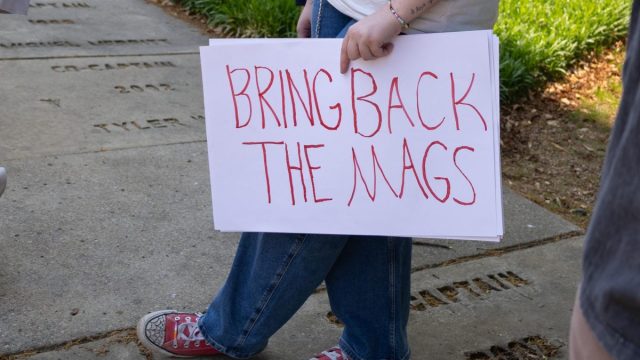
Key Takeaways
- Forty student publications endorsed UA students' amicus brief.
- The lawsuit addresses censorship issues in higher education.
- This case may influence media rights for students nationwide.
- Legal challenges underscore the importance of free expression.
- Support from peers emphasizes solidarity among student journalists.
The Background of the Case
The recent legal battle involving the University of Alabama (UA) has ignited considerable national attention among student media outlets. The case centers around eight student plaintiffs affiliated with the Alice and Nineteen Fifty-Six magazines who are contesting a preliminary injunction denial regarding their suspension. This lawsuit, Pointer v. Phelps, raises significant questions about student press freedoms and the role of educational institutions in regulating student journalism.
The essence of the challenge lies in the assertion that the students' rights to free expression and press are being unjustly curtailed. Over 40 student media organizations across the country have rallied to their support, filing an amicus brief that not only endorses the plaintiffs but also emphasizes the critical need for protecting student voices in journalism.
Why This Matters Now
In an era where media censorship is increasingly scrutinized, this case represents a flashpoint for student freedom of expression. The backing from across the nation is not just a show of solidarity but also a strategic push to influence the judicial system towards recognizing and upholding student journalists' rights. Each supporting outlet understands that the outcome of this case could set a precedent affecting numerous institutions and their media operations.
The Broader Implications
The implications for this case extend far beyond Alabama. As higher education institutions grapple with the balance between institutional control and student autonomy, the outcome here could reverberate through the educational landscape. If the court rules in favor of the students, it may bolster similar cases across the nation, encouraging more robust protections for student media.
Support From Across the Nation
The amicus brief reflects a concerted effort from student media outlets nationwide, indicating a significant moment in the fight for press freedom. Institutions like Harvard, Stanford, and other major universities have shown their support, demonstrating that the concerns surrounding student media are universal. The diverse backing illustrates a collective acknowledgment of the vital role that student publications play in fostering critical discourse within academic settings.
What the Future Holds for Student Media
As the legal proceedings unfold, student journalists across the country are urged to stay vigilant and engaged. The outcomes from this case will serve as a litmus test for the health of student journalism and the extent to which student voices can be heard without fear of suppression. In a world where information is paramount, ensuring that student journalists can operate freely is essential.
Conclusion
The unfolding case at the University of Alabama encapsulates a crucial moment for not just the students involved, but for the entire domain of student media. The nationwide support signals to both legal entities and educational institutions the importance of reaffirming and protecting the freedoms that allow students to express themselves through journalism. As the court dates approach, the community watches closely, recognizing that the ramifications of this case will likely shape the future of student media across the United States.
