New E-Gates Enhance Security Experience at Newark Liberty Airport
Key Takeaways
- New E-Gates at Newark Airport aim to reduce wait times significantly.
- Eligible travelers include U.S. citizens and certain international passengers.
- The technology is part of TSA’s ongoing efforts to modernize security processing.
- Expected to enhance overall passenger satisfaction during peak travel times.
- Newark is among the first airports to implement this advanced security solution.
Introduction
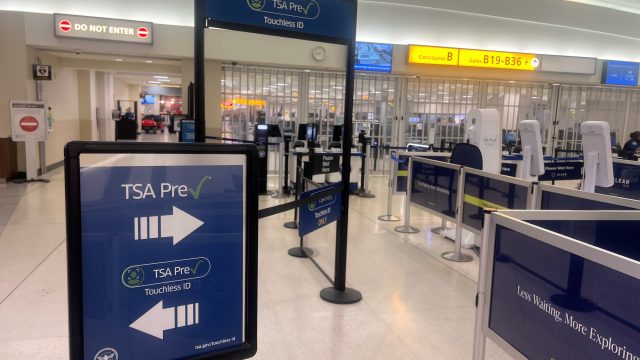
Travelers at Newark Liberty International Airport (EWR) can now enjoy a more efficient security experience thanks to the deployment of new E-Gates by the Transportation Security Administration (TSA). Designed to expedite the screening process, these E-Gates represent a significant leap towards modernizing airport security, especially amid rising passenger volumes.
How the E-Gates Work
The E-Gates utilize cutting-edge biometric technology to verify the identity of passengers quickly. After completing the initial security checks, eligible travelers simply approach the E-Gate, where they will scan their boarding passes and undergo a facial recognition process. This seamless integration aims to streamline the flow of passengers while maintaining robust security standards.
Benefits for Travelers
The introduction of E-Gates comes as a welcome relief for many frequent flyers who often face long lines at security checkpoints. Key benefits of the new system include:
- Reduced Wait Times: The automated system can process passengers faster than traditional methods.
- Enhanced Privacy: The touchless technology minimizes physical interactions, an important consideration post-pandemic.
- More Efficient Space Use: With streamlined operations, airports can better manage passenger flow, especially during peak hours.
Who Can Use the E-Gates?
Initially, the E-Gates will be accessible to U.S. citizens, as well as certain international travelers based on their passport and visa eligibility. This phased rollout aims to ensure that the technology operates smoothly before wider implementation. To use an E-Gate, passengers must meet specific criteria, including:
- Possession of a valid U.S. passport or approved travel documents.
- Being part of trusted traveler programs such as Global Entry.
- Adhering to all TSA security protocols prior to entering the E-Gate area.
Broader Implications for Airport Security
The introduction of E-Gates at Newark is part of a larger trend across the aviation industry, particularly in Southeast Asia and within the ASEAN region, where technology is increasingly integrated into travel experiences. Airports in Indonesia, such as Jakarta and Bali, are also exploring similar innovations to enhance travel efficiency. The TSA’s latest initiative highlights an ongoing commitment to improving passenger experiences while ensuring flight safety.
Future of Travel Technology
As airports continue to innovate, the implications for travel technology are profound. The successful implementation of E-Gates could pave the way for further enhancements in airport operations, which might include:
- Expansion to more airports across the United States and globally.
- Incorporation of additional technologies such as mobile screening apps.
- Continuous feedback from passengers to refine and improve the system.
Conclusion
The launch of E-Gates at Newark Liberty International Airport marks an important step in the evolution of airport security. By embracing technology, the TSA is not only prioritizing efficiency but also enhancing the travel experience for millions. As more travelers return to the skies, the success of this initiative could shape the future of airport security across the globe.